![BISHOP PETER ABABIO MINISTRIES,, ACCRA WEIJA GBAWE – ENDTIME PRAYER GLOBAL MINISTRY ITALY. …[ TRIPLE K. MEDIA, BELONGS TO BISHOP DR. PETER ABABIO AND REV. SABINA NSIAH ABABIO ]..](https://i0.wp.com/bishoppeterababioministries.com/wp-content/uploads/2024/04/IMG-20260220-WA0076.jpg?fit=1536%2C430&ssl=1)
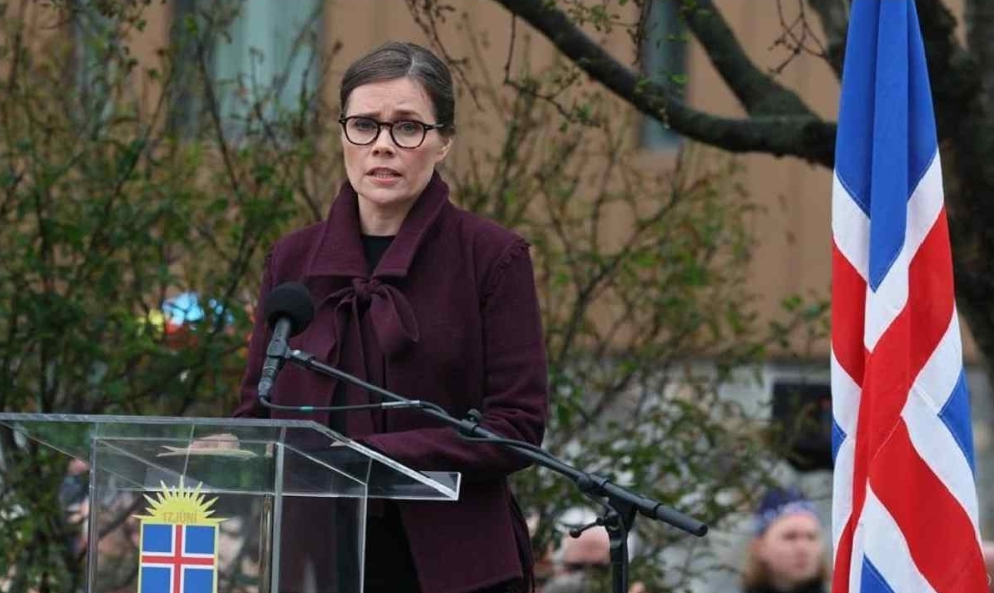
Tens of thousands of women and non-binary people across Iceland, including Prime Minister Katrín Jakobsdóttir, are expected to stop work – both paid and unpaid – on Tuesday in the first strike of its kind in almost half a century.
Organizers hope the strike – whose confirmed participants include female fishing industry workers, teachers, nurses and the prime minister as previously mentioned – will bring society to a standstill to draw attention to the gender pay gap and widespread sexual violence and gender of the country.
Iceland strikes against gender pay gap
The event will mark the first full-day women’s strike since 1975, when 90% of Icelandic women refused to work as part of the “kvennafrí” (women’s day of rest), leading to crucial changes, including the first woman elected president of a country.
But those who organized the last strike, some of whom took part in the 1975 strike, say that the fundamental demand to valorize women’s work has remained unsatisfied for 48 years now.
Although Iceland is considered a world leader in gender equality, topping the World Economic Forum 2023 gender gap ranking for the 14th consecutive year, in some professions Icelandic women still earn 21% less than men and more than 40% of women have suffered sexual or gender-based violence. Furthermore, jobs traditionally associated with women, such as cleaning and care, continue to be undervalued and underpaid.
“They talk about us, they talk about Iceland as if it were a paradise of equality” – declared Freyja Steingrímsdóttir, one of the organizers of the strike and communications director of the BSRB, the Icelandic Federation of Public Workers – “But a paradise of equality should not have a 21% wage gap and 40% of women experiencing sexual or gender-based violence in their lifetime. This is not the goal of women around the world. Having the global reputation that it has, Iceland has a responsibility to ensure that it lives up to these expectations.”
Although there have been other women’s strikes since the first in 1975, Tuesday’s strike marks the first all-day event. With the slogan “Kallarðu þetta jafnrétti?” (You call that equality?), is the result of a grassroots movement and was planned by around 40 different organizations.
Women and non-binary people across the country are urged not to do any paid or unpaid work on Tuesday, including domestic tasks, “to demonstrate the importance of their contribution to society”. But some have already started preparing in advance to make life easier for the men during their absence.
“The third shift is real, women are going on strike, but ‘let’s make everything run smoothly’ is the mentality we’re stuck in and need to get out of,” Steingrímsdóttir said. “For one day it’s not our problem, so let’s not try to make it easier for them.”
At least 25,000 people are expected to attend an event in central Reykjavík and many more will take part in 10 other events across the country, making it likely to be the largest women’s strike ever staged in Iceland.
Announcing her participation, Jakobsdóttir said she expects the prime minister’s office to stop working: “First of all, I am showing solidarity with Icelandic women with this strike,” she told mbl.is.
Unlike the 1975 strike, Tuesday’s event is aimed at women and non-binary people: “We do it because we are all fighting against the same system, we are all under the influence of the patriarchy, so we thought we would unite our fight,” said Steingrímsdóttir.
The strike calls for closing the gender pay gap by publishing the salaries of workers in female-dominated professions and for action against sexual and gender-based violence, focusing more on the perpetrators.
Drífa Snædal, who is on the executive committee of the women’s strike and is a spokesperson for Stígamót, a sexual violence counseling and education center, said that increased access to pornography among children has contributed to violence against women . Women’s status in society and their monetary value in the workplace are also linked to sexual violence.
“Now we are trying to connect the dots, saying that violence against women and the undervalued work of women in the labor market are two sides of the same coin and have an effect on each other,” she said.
Despite the #MeToo movement and other movements calling for equality in Iceland in recent years, she said women cannot rely on the justice system when it comes to crimes of sexual violence. “Women’s patience has run out,” she said.




Leave a Reply